Project-Based Learning
Students work on real robots, autonomy software, embedded systems, and integrated prototypes.
Club Vision
PolyU AI & Robotics Club is a Faculty of Engineering platform where students learn AI and robotics by building real systems, joining competition teams, and growing from curious beginners into capable engineers and leaders.
Vision
Our vision is to nurture a world-leading robotics club and a community of students who learn AI and robotics by building real systems, joining competition teams, and growing from curious beginners into capable engineers and leaders.
Students work on real robots, autonomy software, embedded systems, and integrated prototypes.
Core teams prepare for applied robotics contests that emphasize rescue, navigation, inspection, and real-world deployment.
Members learn to consider safety, privacy, sustainability, teamwork, and the social impact of intelligent systems.
Technical Areas
Members can start in one area and gradually work across disciplines as they join deeper projects.
CAD, parts modelling, manufacturing awareness, structure, mounting, and robot packaging.
PCBs, sensors, actuators, embedded systems, power, wiring, and low-level debugging.
Computer vision, detection, localization, mapping, sensor fusion, and robotics AI workflows.
Programming, simulation, AI algorithms, autonomy logic, integration, testing, and tooling.
Student Growth Pathway
Students can see what to learn, what to contribute, and how to move upward through transparent performance milestones.
Join seminars, workshops, demonstrations, and introductory sessions. Discover the technical track that fits you.
Receive training, join internal projects, complete practical tasks, and build reliable skills with senior mentorship.
Lead modules, mentor teammates, prepare competitions, and deliver strong project or research outcomes.
Move from interest to project contribution.
Meet at least four milestones to join the core team.
Club Structure
The club uses a matrix structure: members build expertise in functional groups, then combine across groups for competitions, projects, and research initiatives.
Specialized groups develop mechanical design, electronics and control, perception and AI, software, integration, operations, and documentation skills under senior-member and PhD-student mentorship.
Cross-functional teams assemble for rescue robotics, robot dog modules, self-driving logistics vehicles, UAV work, and other applied robotics projects.
Club Archive
Older activity photos are preserved here while the new website focuses on vision, structure, projects, recruitment rules, and future growth.
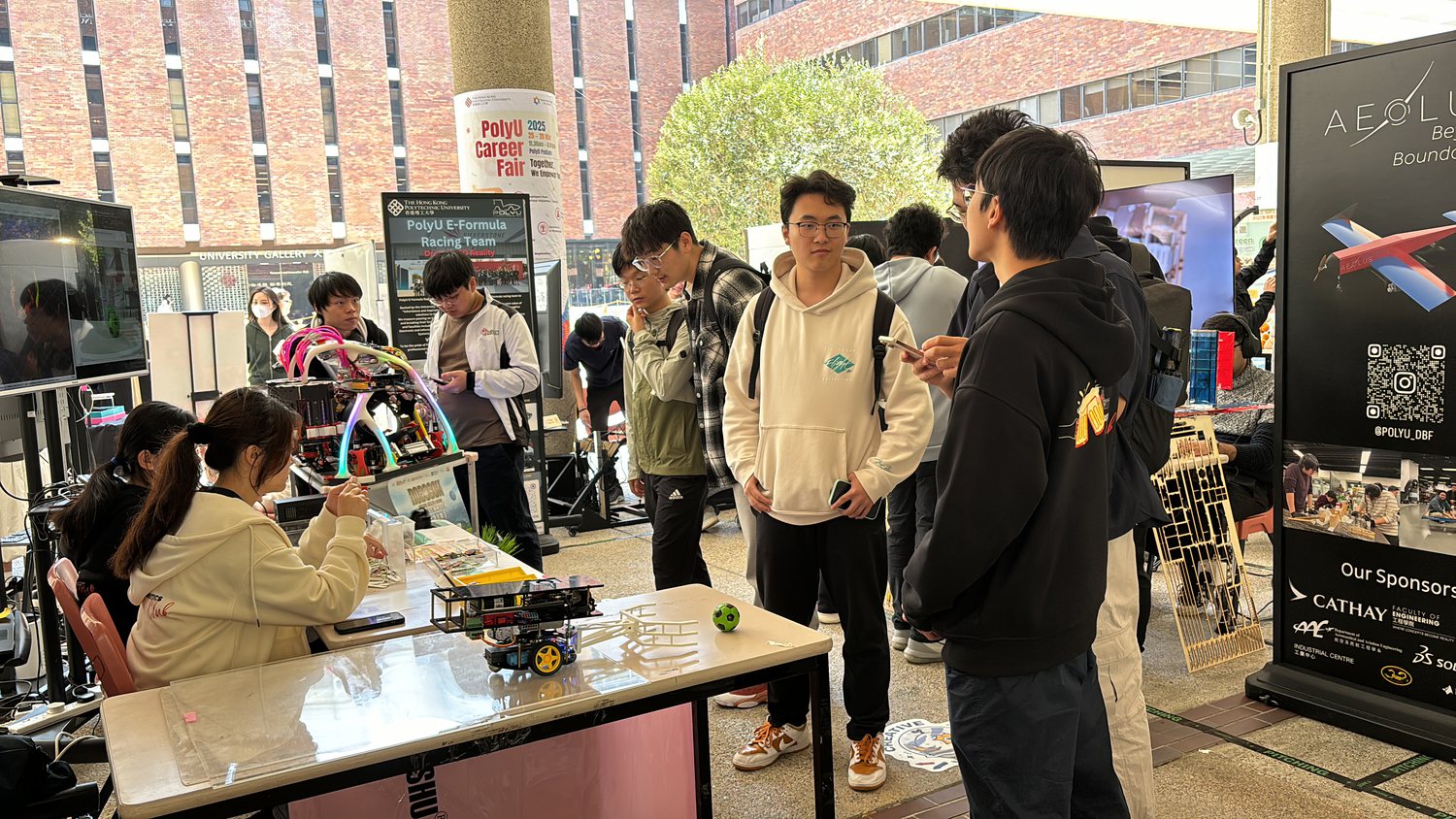
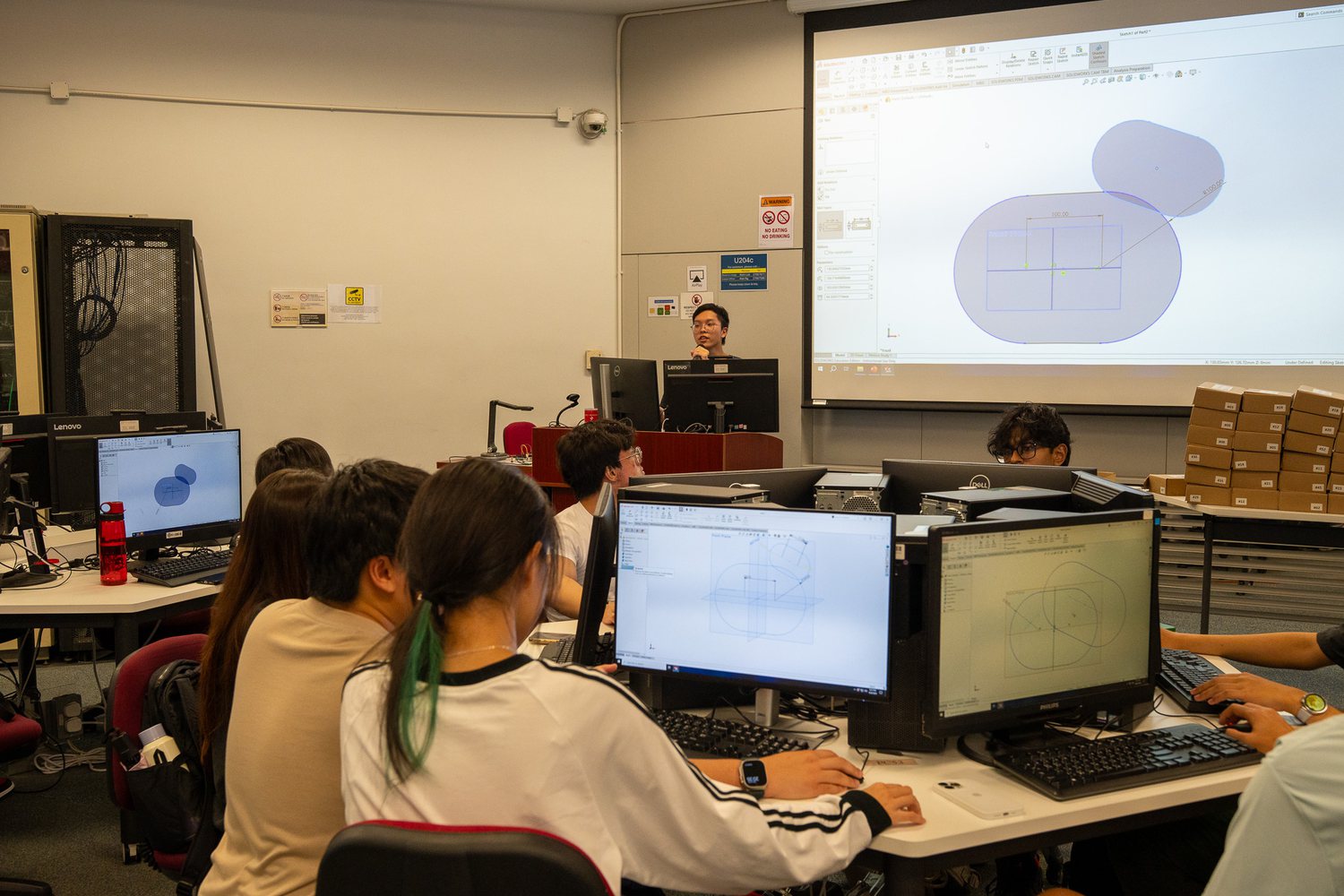
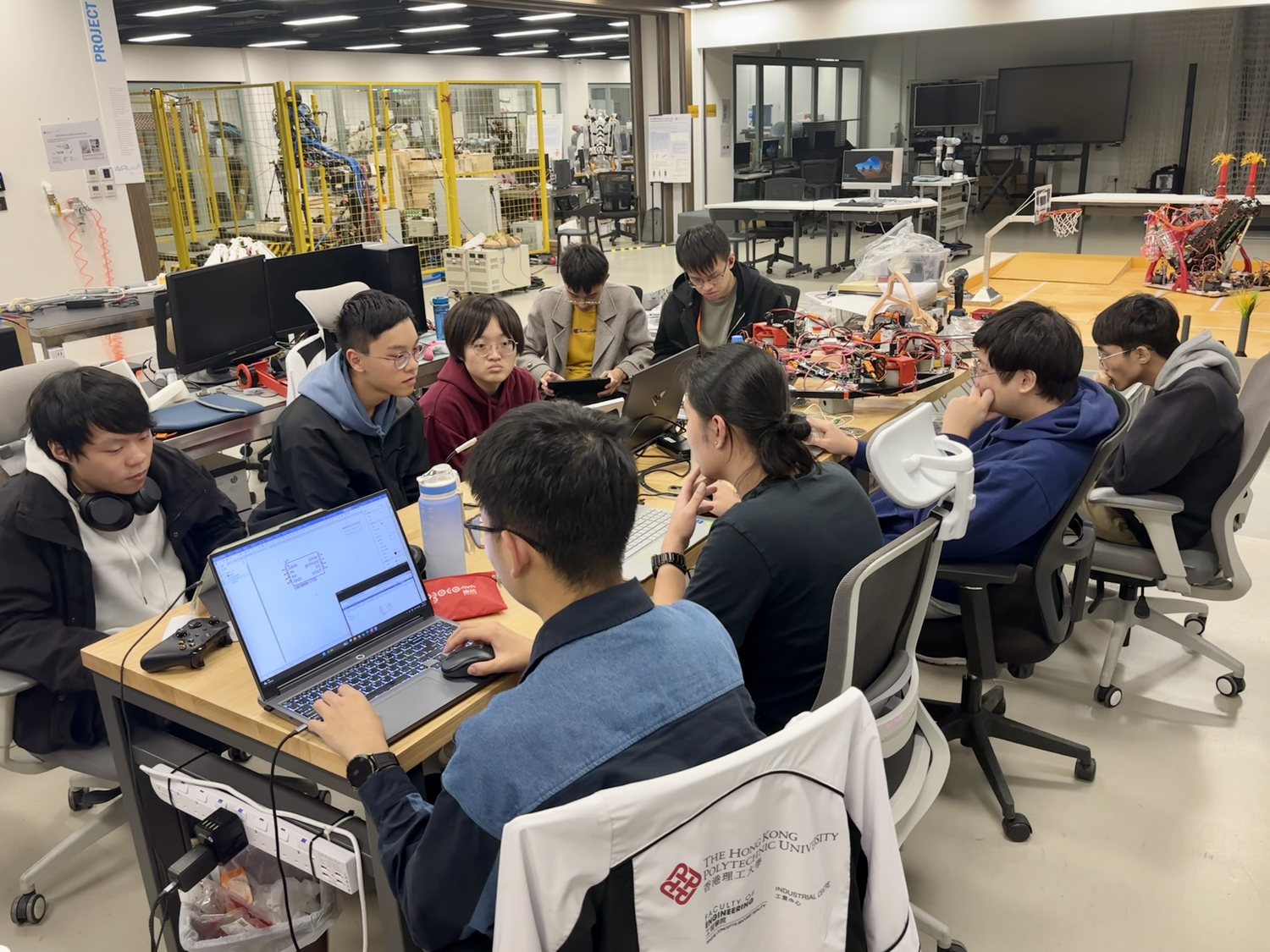
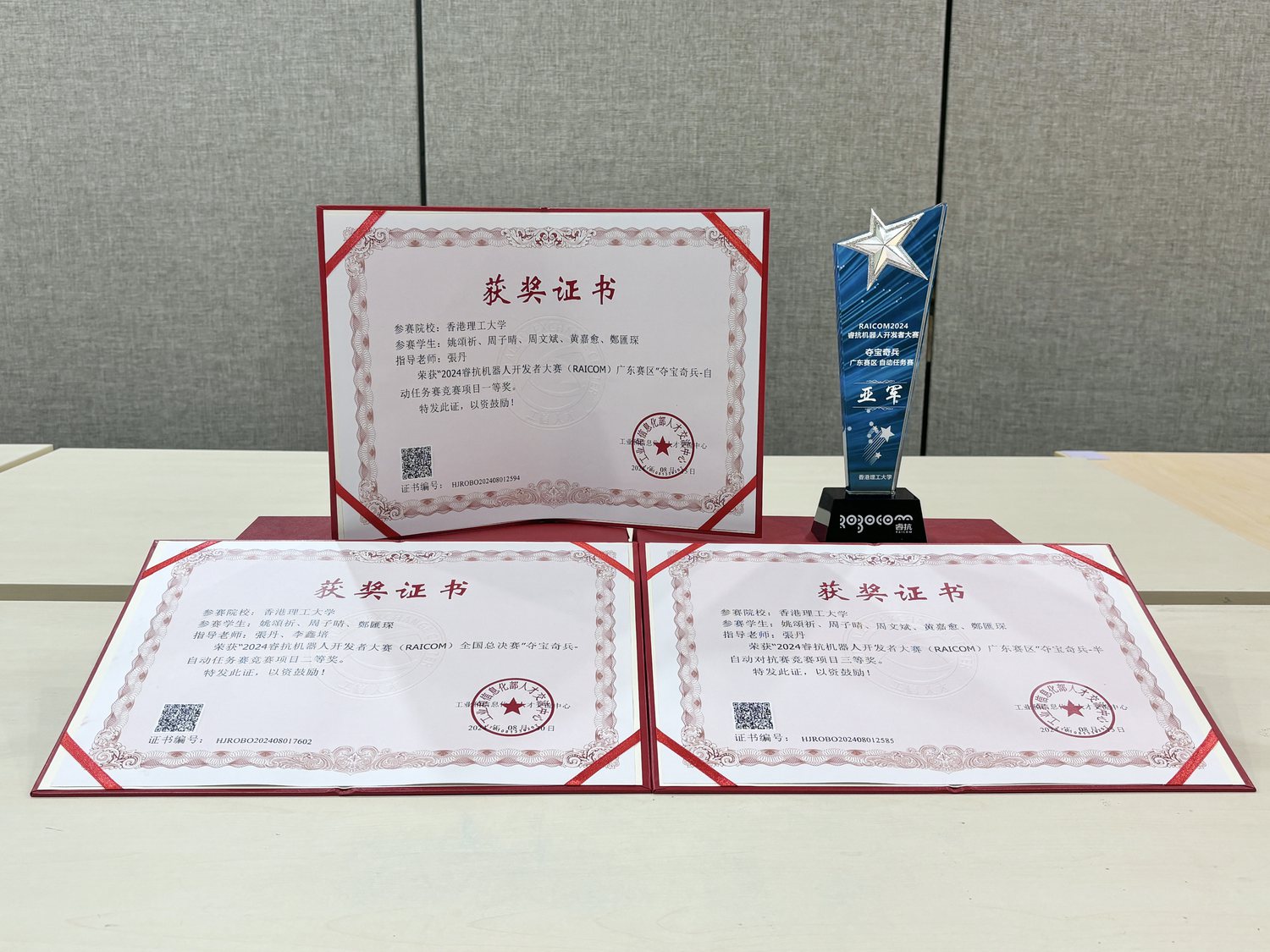
Club members and leaders keep projects, training, competitions, and daily operations moving together.

Team Captain

Technical Lead
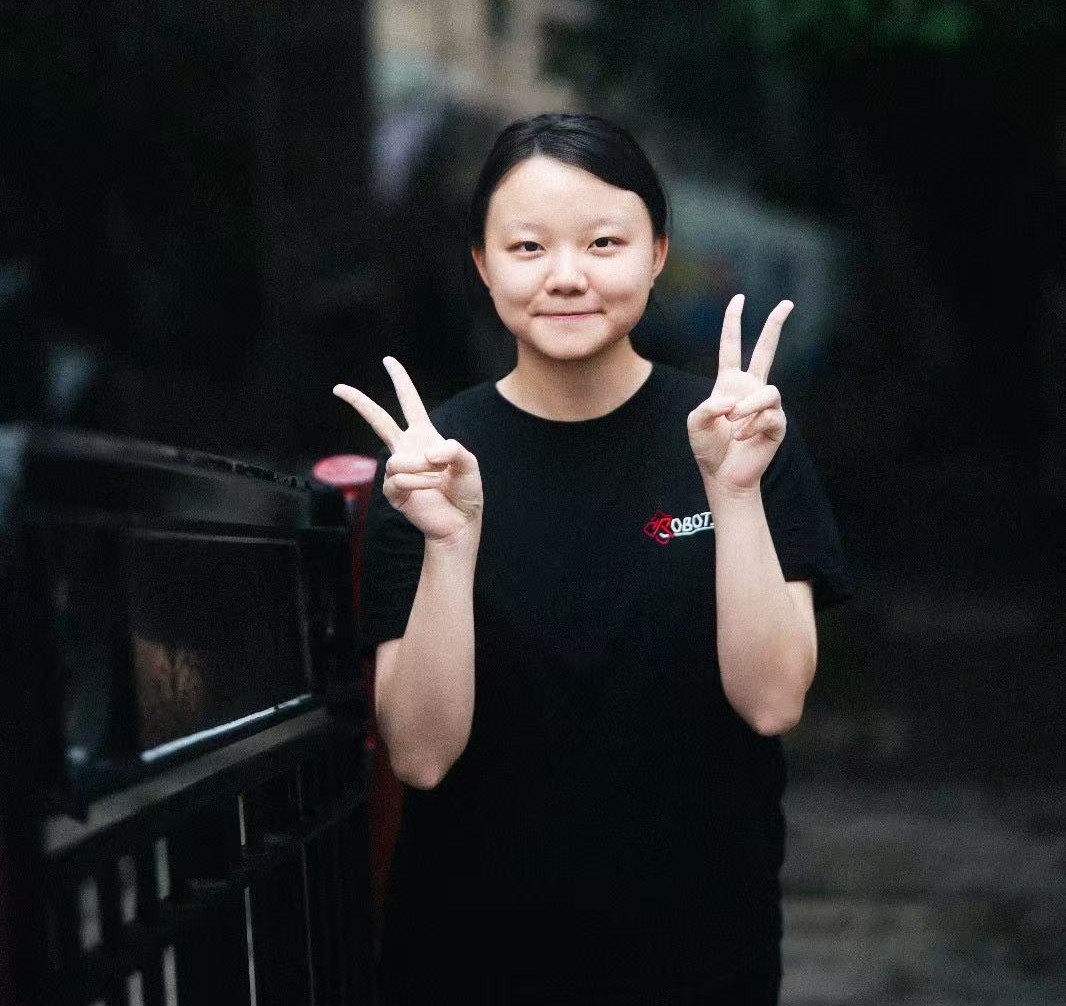
General Secretary
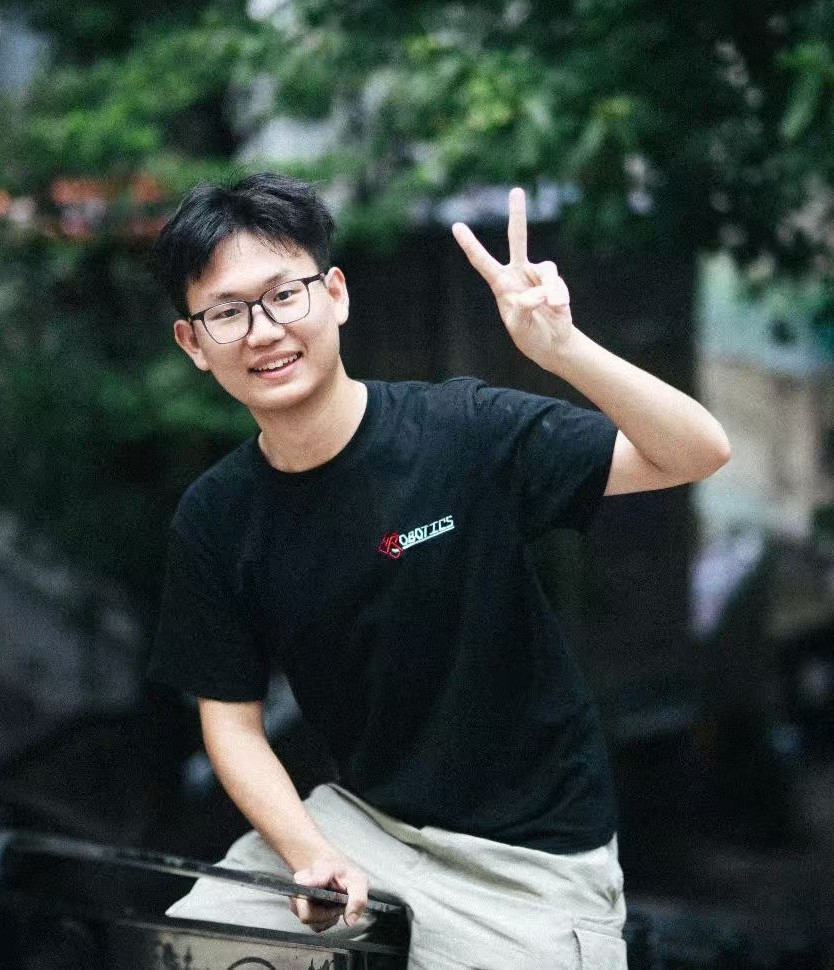
Electronic Team Leader
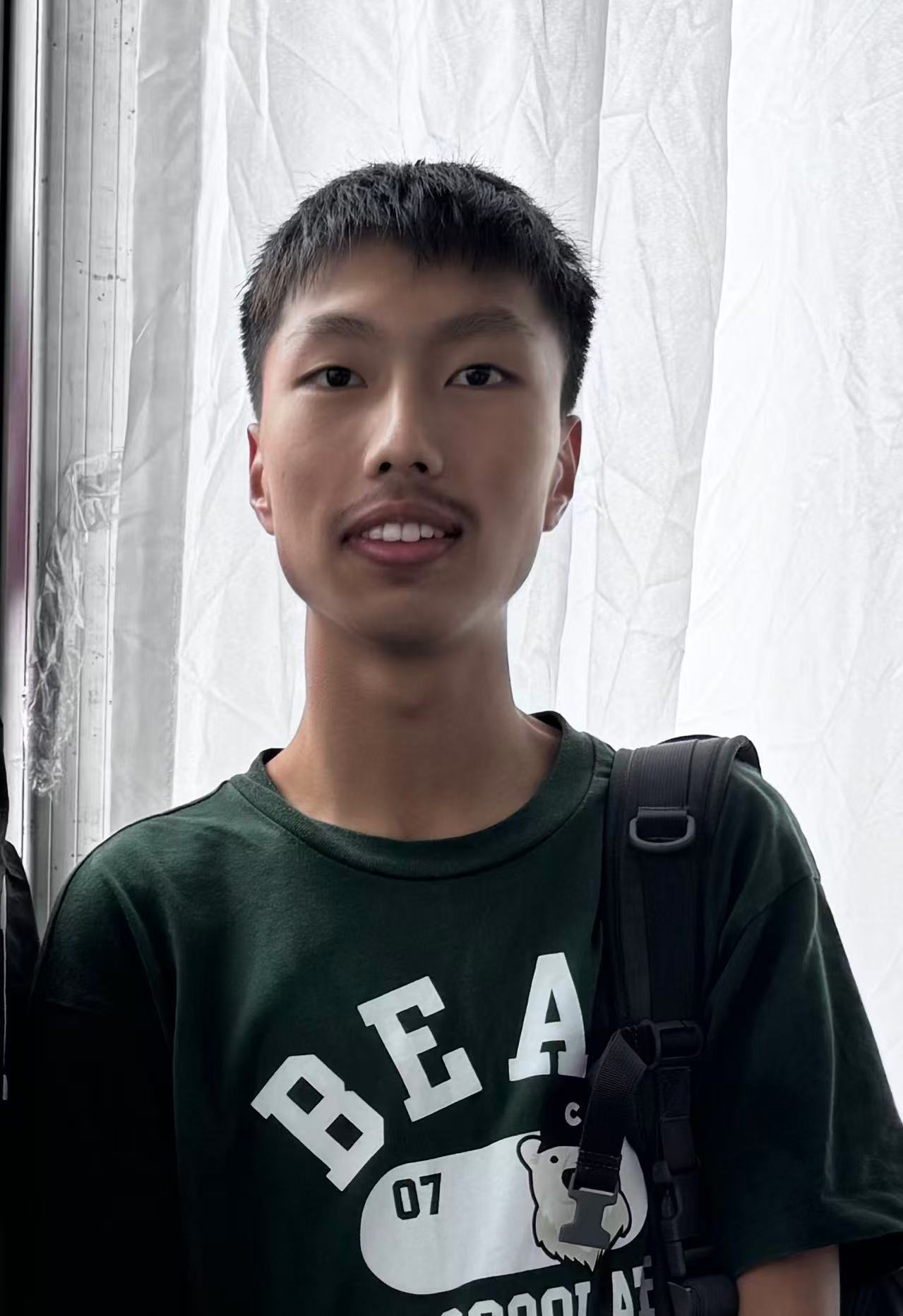
Computer Science Team Leader
Who Can Join
Beginners can start with guided training. Experienced students can join core teams, lead project modules, and help shape competition preparation.